Coal is primarily used as a solid fuel to produce electricity and heat through combustion. When coal is used for electricity generation, it is usually pulverized and then burned in a furnace with a boiler. The furnace heat converts boiler water to steam, which is then used to spin turbines which turn generators and create electricity. The thermodyanamic efficiency of this process has been improved over time. "Standard" steam turbines have topped out with some of the most advanced reaching about 35% thermodynamic efficiency for the entire process, which means 65% of the coal energy is waste heat released into the surrounding environment. Old coal power plants, especially "grandfathered" plants, are significantly less efficient and produce higher levels of waste heat.
The emergence of the supercritical turbine concept envisions running a boiler at extremely high temperatures and pressures with projected efficiencies of 46%, with further theorized increases in temperature and pressure perhaps resulting in even higher efficiencies. Other efficient ways to use coal are combined cycle power plants, combined heat and power congeneration, and a MHD topping cycle.
Until today, approximately 40% of the world electricity production uses coal.
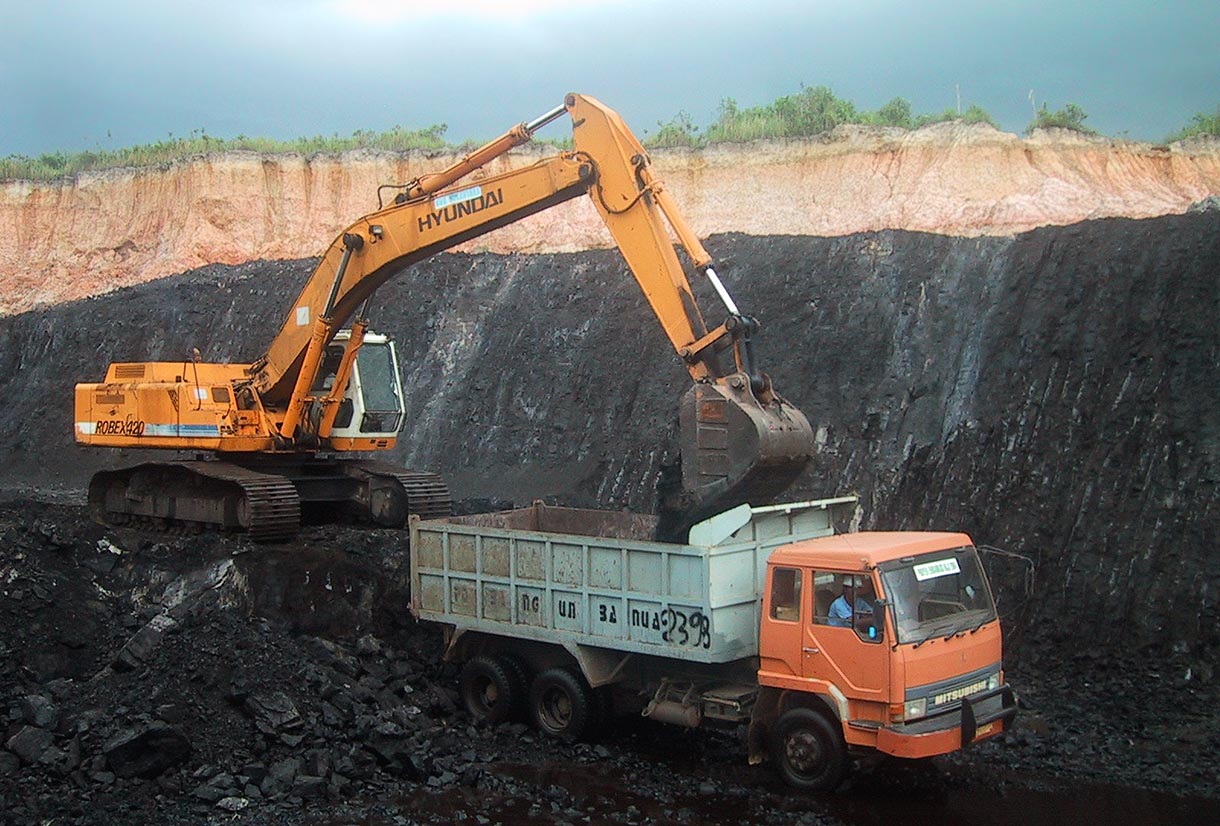
Indonesia is the largest coal producer countries in Asia after China and India. Though there are more than 80 companies in Indonesia doing the coal mining business actively, one would have to learn the Indonesian culture well before a solid deal is to be sealed.